

 Greek
Greek
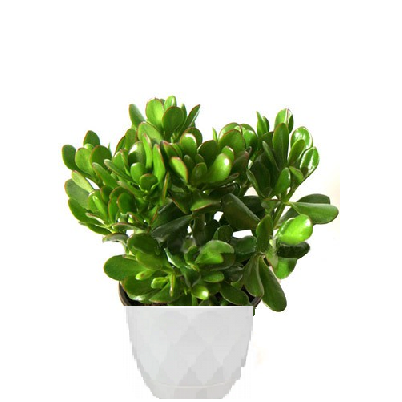
Crassula
Crassula ovata's
Crassula is a beautiful plant that belongs to succulents and has fanatical fans all over the world. We will find it in gardens, in rock gardens and in balcony pots impressing with its glossy and thick foliage. After all, the name of the crassula comes from the Latin word crassus, which means "fat" and is associated with its fleshy leaves that have the ability to store water
Let's look at the most important tips for the care of the grapevine, in order to keep its leaves green and enjoy its beautiful flowers.
Crassula thrives in bright and well-ventilated areas, on balconies and patios, that do not come into direct contact with intense sunlight. For potted wines, we prefer to place them in a west or east orientation.
Crassula is not particularly frost-hardy, needs protection from severe frost and must be moved to a warmer location when temperatures approach freezing.
In the southern regions of our country, the grape is also planted in a garden, as long as it is protected from the north winds.
How often does the vine need watering?
Crassula has moderate water needs, however, it requires regular watering. In particular, we definitely water the vine once a week during the spring months and twice a week during the summer months in conditions of heat and high temperatures. On the contrary, the watering of the vine should be limited in autumn, every 1-2 weeks depending on the weather, and even less in winter. Excessive watering can create problems with grapevine root rot, as well as severe leaf fall.And one last secret about the wine
The crassula is also referred to abroad as the "money plant", as its leaves resemble coins. Planting Crassula in the garden or yard is believed to bring good luck and charm, and is a key reason for Crassula ovata's great popularity.